The historical evolution of casinos From ancient games to modern entertainment hubs
The Origins of Gambling in Ancient Civilizations
The history of gambling can be traced back to ancient civilizations, where various games of chance were not only a form of entertainment but also played significant roles in social and religious practices. Ancient Mesopotamia, for instance, is known to have utilized dice made from animal bones, dating back to around 3000 BCE. These primitive games laid the foundation for more structured gambling activities, reflecting the human fascination with luck and chance. Today, players seeking the best online pokies australia can find various references to these ancient customs.
Similarly, the Egyptians engaged in betting games, often associated with their gods and used during festivals. Hieroglyphics depict scenes of gambling, showcasing how integral these activities were to their culture. These early forms of gambling were often ritualistic, intertwining with the spiritual beliefs of the time, as players sought divine favor in their pursuits.
As societies evolved, so did the games they played. The introduction of card games in China around the 9th century marked a significant shift, leading to the development of gambling as a more organized activity. These early card games influenced the creation of numerous modern games, illustrating how ancient pastimes set the stage for the future of casinos.
The Rise of Gaming Houses in Europe
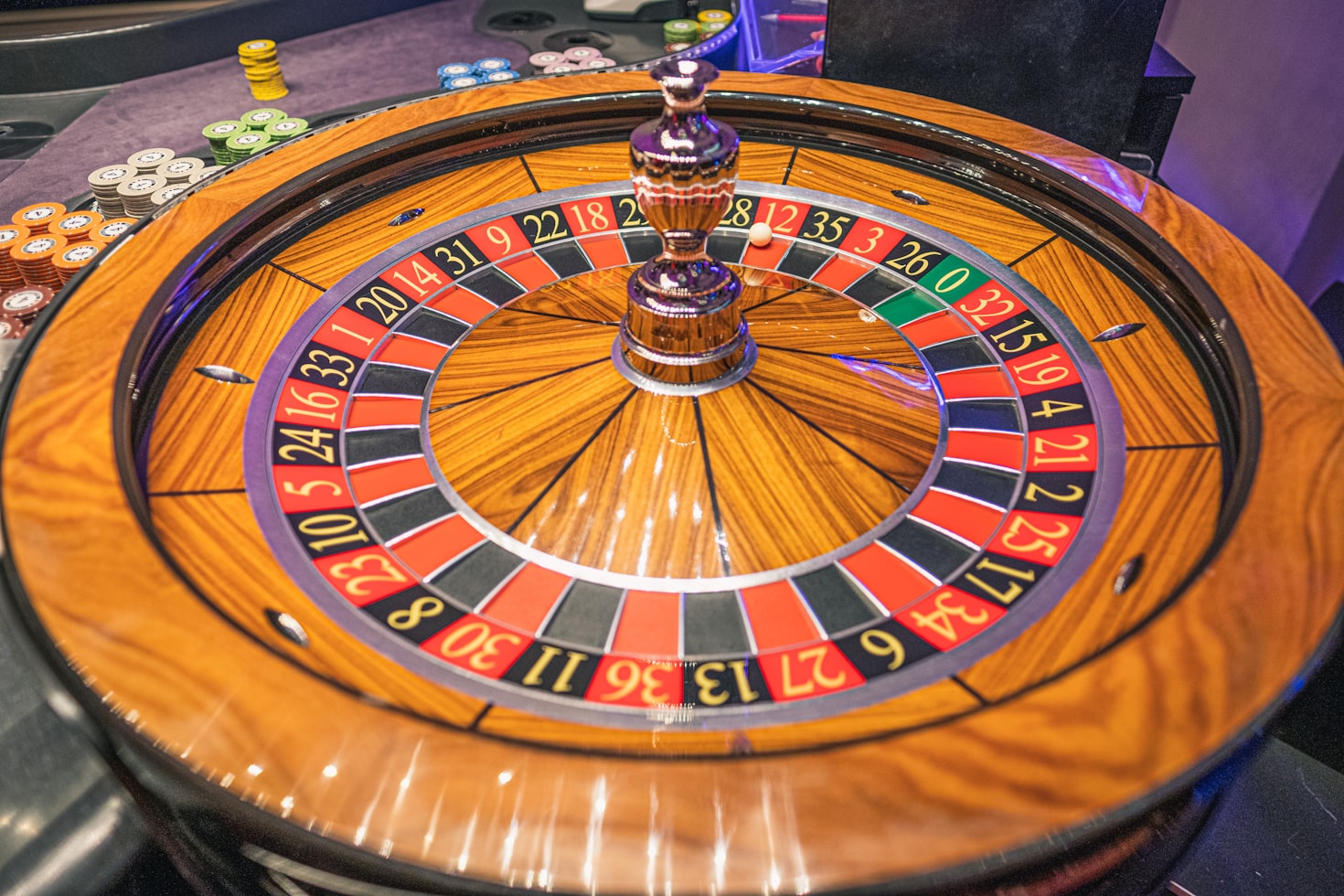
By the Renaissance, the gambling landscape in Europe began to change dramatically. The emergence of gaming houses in Italy during the 16th century signaled the transition from informal betting to organized establishments. The term “casino” itself is derived from the Italian word for “little house,” as these venues were often small and private. They provided a controlled environment for gambling, where people could gather to play games like baccarat and roulette.
As the popularity of these gaming houses grew, so too did their influence. Cities such as Venice became known for their opulent casinos, attracting wealthy patrons who sought both entertainment and social status. These establishments catered to the elite, offering lavish surroundings and exclusive games, further embedding gambling into European culture.
The French Revolution in the late 18th century also had a significant impact on casinos. The new social dynamics brought about a shift in gambling practices, leading to the establishment of more formalized casinos. Monte Carlo, for instance, opened its doors in 1863, epitomizing the luxurious and glamorous atmosphere that would define casinos in the coming centuries.
The Industrial Revolution and the Birth of Modern Casinos
The Industrial Revolution marked a turning point in the evolution of casinos. With advances in technology and increased urbanization, gambling establishments evolved to cater to a growing population. The introduction of mechanical devices, such as the slot machine in the late 19th century, transformed the gambling experience, making it accessible to a broader audience. These innovations not only attracted novice gamblers but also increased revenue for casinos.
In the United States, the Gold Rush era fostered a gambling boom, particularly in places like San Francisco and Nevada. The legalization of gambling in Nevada in 1931 led to the rapid development of iconic casinos, such as the Flamingo and the Sands. These venues not only offered gaming but also lavish shows and entertainment, solidifying the casino’s place as a multifaceted entertainment hub.
The post-World War II era saw further expansion in the gambling industry, with Las Vegas emerging as the ultimate destination for entertainment and gaming. The city became synonymous with casinos, attracting millions of visitors who flocked to experience the vibrant nightlife, extravagant shows, and, of course, the thrill of gambling.
The Digital Age and Online Gambling
With the advent of the internet in the late 20th century, a new chapter in the history of casinos began. Online gambling emerged, revolutionizing how people engage with games of chance. Virtual casinos offered players the convenience of playing from home, eliminating the need to travel to physical establishments. This shift democratized gambling, providing access to a broader audience, including those who may have been hesitant to visit traditional casinos.
The online gambling industry rapidly expanded, with a plethora of platforms offering various games, from poker to slots. The rise of mobile technology further propelled this growth, enabling players to gamble on-the-go. The emergence of live dealer games combined the excitement of in-person gaming with the convenience of online platforms, bridging the gap between traditional and digital casinos.
However, this evolution has also raised concerns regarding responsible gambling. The ease of access to online gaming can lead to issues such as addiction and financial mismanagement. As a result, many jurisdictions have implemented regulations and responsible gambling measures to ensure player safety, emphasizing the importance of maintaining a healthy balance between entertainment and risk.
The Future of Casinos in a Changing Landscape
As casinos continue to evolve, they face new challenges and opportunities. The incorporation of advanced technology, such as virtual reality and augmented reality, is poised to transform the gambling experience further. These innovations could create immersive environments, making players feel as though they are in a physical casino while playing from the comfort of their homes.
Additionally, the growing popularity of cryptocurrency is reshaping the financial aspect of online gambling. Many platforms are beginning to accept digital currencies, providing players with more flexible payment options and increased privacy. This trend could revolutionize how transactions are conducted in the gaming industry, appealing to a new generation of players.
As the landscape continues to change, casinos must also adapt their strategies for responsible gambling. Enhanced awareness and education surrounding gaming addiction, along with improved support systems, are vital for fostering a safe gambling environment. The future of casinos will likely focus on balancing innovation with player protection, ensuring that the thrill of gaming remains enjoyable and secure.

Your Guide to Modern Online Casinos
For those looking to navigate the dynamic world of online casinos, numerous resources are available to help players make informed decisions. Comprehensive reviews and comparisons of top-rated online casinos can guide users in finding the ideal gaming platform. Factors such as payout speed, security measures, and user experiences play crucial roles in selecting the right site for an enjoyable gambling experience.
It’s essential to explore trustworthy recommendations, which not only highlight the best casinos but also emphasize responsible gambling practices. Understanding the importance of setting limits, recognizing signs of problem gambling, and utilizing available resources can enhance the overall gaming journey. Players are encouraged to prioritize their well-being while enjoying the entertainment that modern casinos provide.
By staying informed and aware of the evolving landscape of gambling, players can maximize their online gaming experience. Engaging with platforms that promote responsible practices and offer valuable insights ensures that the thrill of casinos remains a source of fun and excitement without compromising safety.